تحویل بین 18 الی 27 تیر
 گارانتی اصالت و سلامت فیزیکی کالا
 ارسال رایگان به سراسر کشور
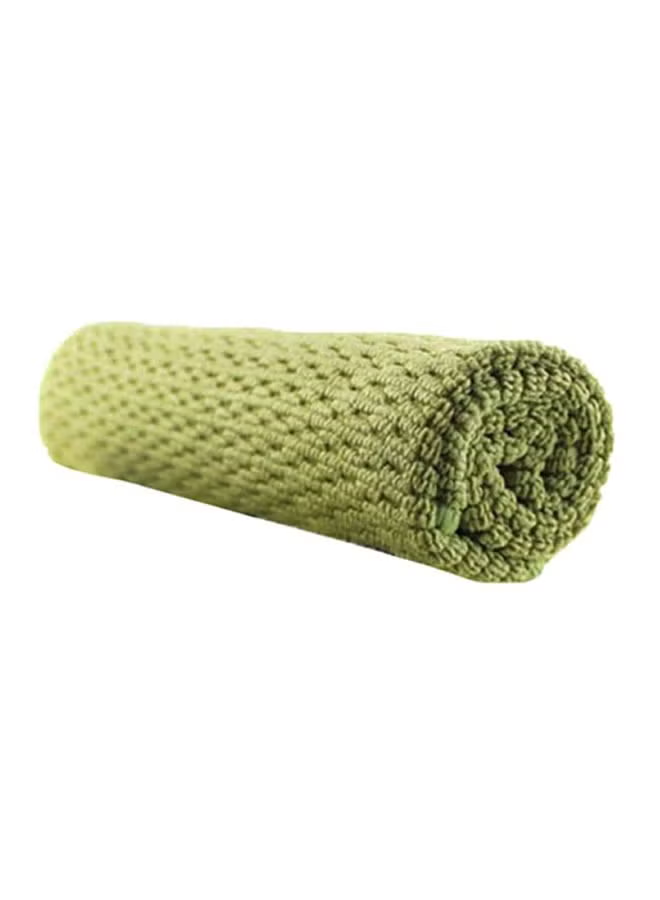
10,129,000


کیف و کوله لپ تاپ
کیف دستی
کوله پشتی
کیف پول و کارت
کیف لوازم نوزاد


ترمیمی و سرم
مرطوب کننده
پاک کننده
لوازم مراقبت پوست
حفاظت در برابر آفتاب
مراقبت دور چشم


ست کالای خواب
بالشت و پوزیشنر تخت
پتو
کالای خواب کودک


بازیهای فضای باز و تجهیزات پارک
بازیهای آبی و لوازم شنا
ماشینهای سواری، سه چرخه و اسکوتر
ماشینهای دستی، ریموتی و RC
پازل
فیگور و مجسمه
گجت، فیجت و سرگرمی
بازیهای گروهی
اسباببازیهای الکترونیکی
اسباببازیهای مدل و حرکتی
اسباببازیهای مشاغل و اماکن
عروسک و لوازم جانبی
عروسک پارچهای و مخملی
یادگیری و آموزشی
اسباببازیهای کودک و نوپا


دوربین عکاسی
لوازم جانبی فیلمبرداری و عکاسی
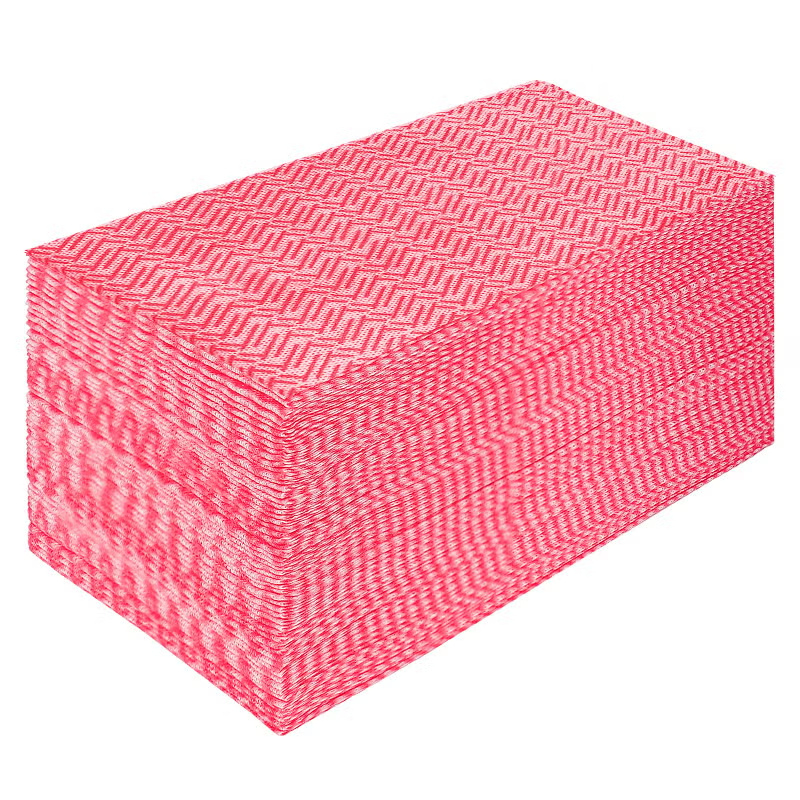
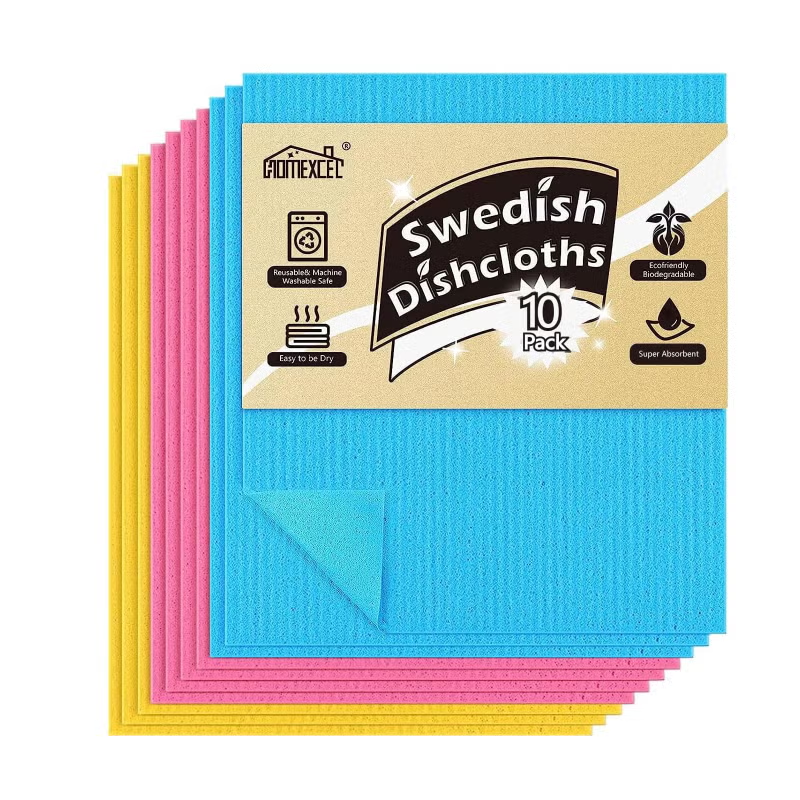
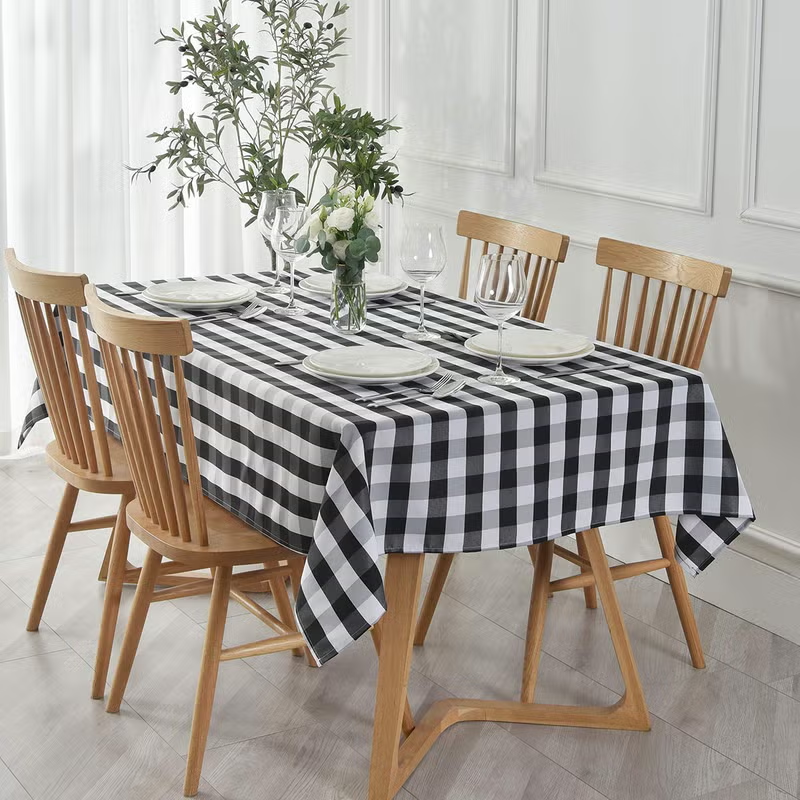
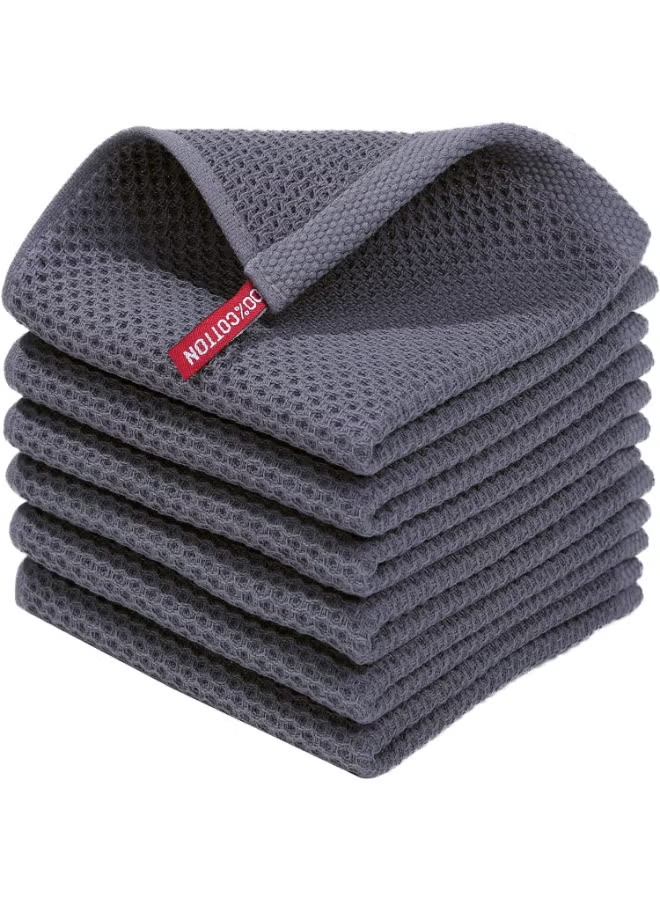
![Utopia Towels Red Dish Towels [24 Pack - 15 x 25 Inches] 100% Ring Spun Cotton Highly Absorbent & Reusable Cleaning Bar, Tea, Kitchen and Dishcloths Set - 200 GSM](https://s3.ir-thr-at1.arvanstorage.com/iap-11/19444155/ff871e12-6fcd-4436-9949-3d33d491a0b4.jpg)